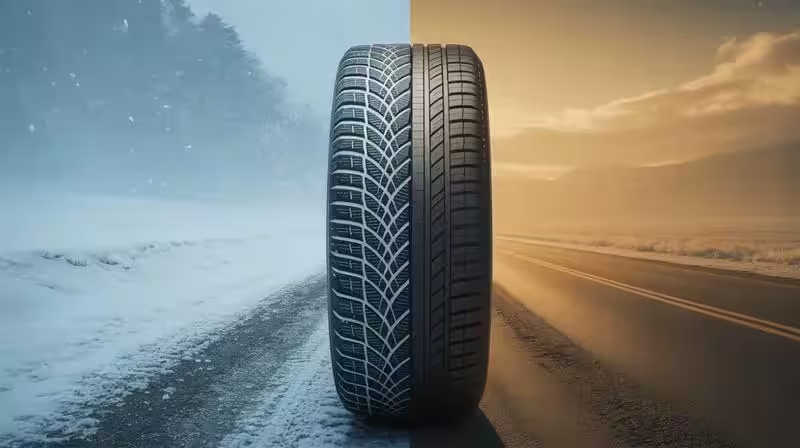
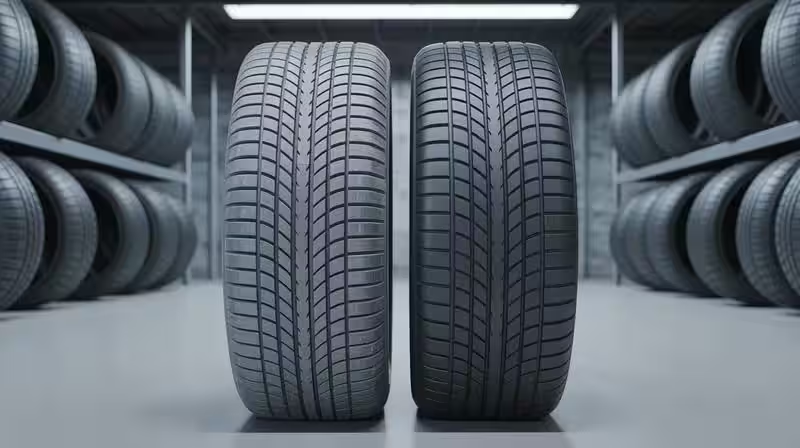
Quick answer: replace your tires when tread depth reaches 3 mm or sooner — wet-weather grip drops sharply below that point, well before the 1.5 mm legal minimum. Also replace tires that are more than about six to ten years old, show cracking or bulges in the sidewall, or wear unevenly. New tires start with roughly 11 mm of tread.
From our shop: the most common reason we tell Lower Mainland drivers their tires are finished isn't tread depth at all — it's age and sidewall cracking from sitting through wet BC winters. We check the date code stamped on every tire that comes through our bays, because a five-year-old tire with tread left can still lose grip badly in the rain.
Tires are the only part of your vehicle that actually touches the road. Every bit of acceleration, braking, and steering depends on four small patches of rubber making contact with the pavement. When those tires are worn, damaged, or too old, your safety is compromised in ways you might not even notice — until it is too late.
The Tread Depth Test
Tread depth is the most straightforward way to assess tire condition. New tires typically have 10 to 11 mm of tread depth. As you drive, this tread wears down and loses its ability to channel water, grip the road, and resist hydroplaning.
The minimum legal tread depth in BC is 1.5 mm, but we strongly recommend replacing tires at 3 mm or sooner. At 3 mm, wet weather performance drops dramatically — braking distances on wet roads can increase by more than 50 percent compared to new tires.
You can check tread depth with a simple toonie test. Insert a Canadian toonie into the tread groove with the bear's paws facing down. If you can see the full paws, your tread is getting low. If the silver portion of the coin is visible, your tires need immediate replacement.
Tire Age Matters Too
Even tires with plenty of tread can be unsafe if they are too old. Rubber degrades over time through a process called oxidation, which causes the material to dry out and crack from the inside.
Most tire manufacturers recommend replacing tires that are six years old, regardless of tread depth. Tires older than 10 years should never be used, even if they look fine.
To find your tire's age, look for the DOT code on the sidewall. The last four digits indicate the week and year of manufacture. For example, "2321" means the tire was made in the 23rd week of 2021.
Uneven Wear Patterns
How your tires wear tells a story about your vehicle's condition:
- Wear on both edges: Your tires may be underinflated. Low pressure causes the edges to bear more weight.
- Wear in the centre: Your tires may be overinflated. Excess pressure causes the centre to bulge and wear faster.
- Wear on one side only: This usually points to an alignment issue. The wheel is tilted and wearing one edge disproportionately.
- Cupping or scalloping: Uneven, patchy wear often indicates worn suspension components like shocks or struts.
If you notice any uneven wear pattern, address the underlying issue before installing new tires. Otherwise, your new tires will develop the same problem.
Visible Damage
Inspect your tires regularly for sidewall bulges, deep cuts, cracks, or embedded objects. A sidewall bulge indicates internal structural damage — the tire could fail without warning at highway speed. This is not repairable and requires immediate replacement.
Get a Free Tire Assessment
Not sure about your tires? Bring your vehicle to Tire Point Automotive and we will measure your tread depth, check for wear patterns, and give you an honest assessment. If you do need new tires, we have over 7,000 in stock and can often do same-day installation.
Visit us at 920 Agnes Street in New Westminster or call (604) 524-9747.
Official sources & further reading
The B.C. and federal standards referenced in this guide: