Quick answer: if you drive BC highways between October 1 and April 30, or regularly see temperatures below 7°C, winter tires are the safer — and on designated highways, legally required — choice. All-season tires are fine for mild Lower Mainland city driving, but their rubber hardens in the cold and loses grip exactly when you need it most.
From our experience: every November we fit winter tires for New Westminster and Coquitlam drivers who were caught out the previous year. All-seasons that felt fine in October turn hard and skittish once overnight temperatures drop below 7°C. Customers are often surprised how different the same car feels on a cold morning once proper winter rubber is mounted — we point out the difference on every set.
Every fall, drivers across British Columbia face the same question: should I switch to winter tires, or will my all-seasons get me through? It is not just a question of preference — it is a matter of safety, performance, and in some cases, legal compliance.
With over 7,000 tires in stock at Tire Point Automotive, we help customers make this decision every day. Here is what you need to know.
What Makes Winter Tires Different
Winter tires are not just all-season tires with a different tread pattern. They differ in three fundamental ways:
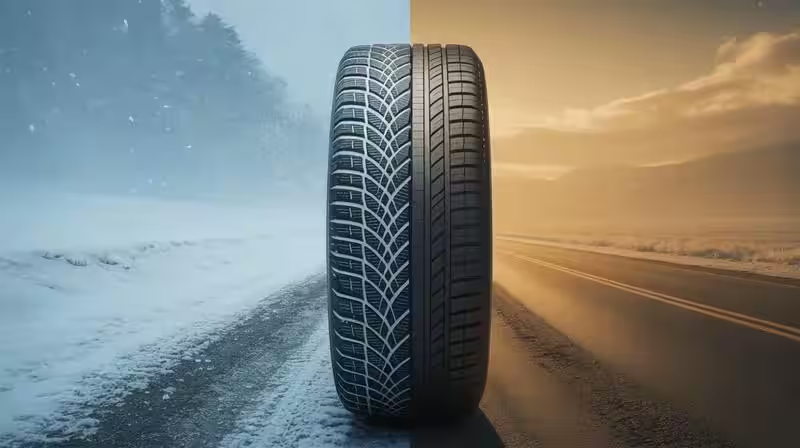
Rubber compound: Winter tires use a softer rubber that stays flexible in cold temperatures. All-season rubber begins to harden below 7°C, which reduces grip. Winter tire compounds are engineered to remain pliable even in extreme cold.
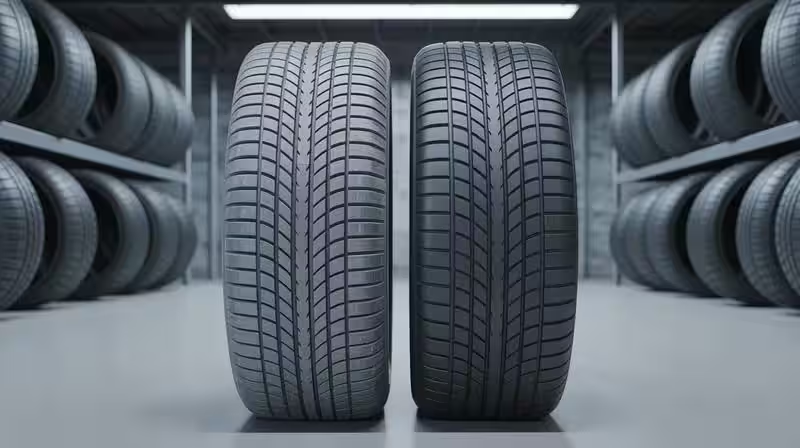
Tread design: Winter tires feature deeper grooves and more sipes — tiny slits in the tread blocks — that grip snow and ice. The tread pattern channels water and slush away from the contact patch more effectively than all-season designs.
Performance below 7°C: Even on dry, cold pavement, winter tires outperform all-seasons. Testing shows winter tires can reduce braking distances by up to 25 percent in cold conditions, even without snow on the road.
BC's Winter Tire Requirements
British Columbia requires winter tires or chains on most highway routes from October 1 through April 30. To meet BC's requirements, tires must display the mountain snowflake symbol (3PMSF) or the M+S marking, and must have at least 3.5 mm of tread depth.
Fines for driving without proper tires on designated routes can be significant, and if you are involved in an accident without proper tires, it could affect your insurance claim.
What About All-Weather Tires?
All-weather tires are a middle ground that has become increasingly popular in the Lower Mainland. These tires carry the mountain snowflake symbol, meaning they meet winter tire standards, but they are designed to be used year-round.
All-weather tires work well for drivers who mostly stay in urban areas like New Westminster, Burnaby, and Vancouver but occasionally travel to mountain passes or the interior. They will not match the snow performance of dedicated winter tires, but they eliminate the hassle and cost of seasonal changeovers.
Which Option Is Right for You?
Choose dedicated winter tires if: You regularly drive to Whistler, the Coquihalla, or other mountain routes. You live in an area that gets regular snowfall. You want maximum safety in winter conditions.
Choose all-weather tires if: You primarily drive in the Lower Mainland. You want year-round convenience without seasonal swaps. You make occasional trips to mountain areas.
All-season tires are fine if: You never drive on BC highway routes that require winter tires. You only drive in mild urban conditions. You are prepared to stay home during snow events.
Get Expert Tire Advice in New Westminster
At Tire Point Automotive, we carry all three types in a wide range of sizes and brands. We can assess your driving patterns and recommend the best tire for your needs and budget. With over 7,000 tires in stock, we can usually fit you same-day.
Our tire services include professional installation, balancing, and alignment to ensure your new tires perform at their best. Visit us at 920 Agnes Street in New Westminster or call (604) 524-9747.
Official sources & further reading
The B.C. and federal standards referenced in this guide: