Quick answer: the five most common signs you need new brakes are squealing or grinding noises, a vibrating or pulsating brake pedal, longer stopping distances, the vehicle pulling to one side when braking, and a soft or spongy pedal. If you notice any of these, have your brakes inspected right away — worn pads caught early are far cheaper than damaged rotors.
From our shop: most brake jobs we complete in New Westminster start as a light squeal the driver ignored for a few weeks. On the Lower Mainland's hills and the stop-and-go traffic along Columbia Street, pads wear faster than owners expect. Catching that first squeal is usually the difference between a simple pad swap and having to replace the rotors as well.
Your brakes are not something to gamble with. They are the difference between a safe stop and a dangerous situation. Yet many drivers push their brakes well past the point of replacement, either because they do not recognize the warning signs or because they hope the problem will go away on its own.
It will not. Here are five clear signals that your brakes need professional attention.
1. Squealing or Squeaking When You Brake
That high-pitched squeal is not your imagination — it is a built-in warning system. Most brake pads include a small metal tab called a wear indicator. When the pad material wears down to a certain point, this tab contacts the rotor and creates that unmistakable sound.
Think of it as your car's way of saying: "I need new brake pads soon." At this stage, you typically have some time before it becomes dangerous, but you should schedule service within the next few weeks.
2. Grinding or Metal-on-Metal Sounds
If the squeal has progressed to a grinding noise, that is a more urgent warning. Grinding usually means the brake pad material is completely worn and the metal backing plate is now pressing directly against the rotor.
This is not just a pad problem anymore — it means your rotors are being damaged with every stop. What could have been a simple pad replacement now becomes a more expensive job involving rotor resurfacing or replacement. Do not delay service at this stage.
3. Vibration or Pulsing in the Brake Pedal
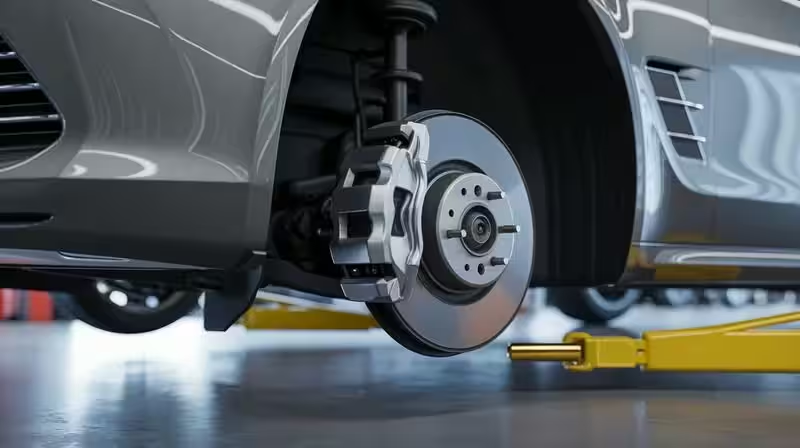
When you press the brake pedal and feel a pulsing or vibration through your foot, it usually indicates warped rotors. Rotors are the flat metal discs that your brake pads clamp against to slow the vehicle. Heat from heavy braking can cause them to warp over time.
Warped rotors reduce braking effectiveness because the pads cannot make consistent contact. You may also feel vibration through the steering wheel during braking. This condition needs attention — it affects your stopping distance and overall safety.
4. Your Car Pulls to One Side When Braking
If your vehicle veers left or right when you press the brakes, it could indicate uneven brake pad wear, a stuck caliper, or a problem with the brake hose. One side of your braking system is working harder than the other, which creates an imbalance.
This is both a safety issue and a handling issue. Uneven braking can make your vehicle unpredictable in emergency stops. Have a technician inspect both sides of the braking system to diagnose the specific cause.
5. The Brake Pedal Feels Soft or Goes to the Floor
A spongy brake pedal — one that sinks further than usual before you feel resistance — can signal several problems: air in the brake lines, a brake fluid leak, or a failing master cylinder. Any of these is serious.
If your brake pedal goes all the way to the floor, do not drive the vehicle. This is a potential brake failure scenario. Call for a tow and have the system inspected immediately.
How Long Do Brake Pads Last?
Brake pads typically last between 40,000 and 100,000 kilometres depending on your vehicle, driving style, and the type of pads installed. City driving with frequent stops wears pads faster than highway driving.
Get Your Brakes Checked in New Westminster
At Tire Point Automotive, we perform thorough brake inspections that check pad thickness, rotor condition, caliper function, brake fluid level, and brake line integrity. If your brakes need work, we explain exactly what is needed and provide an upfront quote before starting any repairs.
Do not wait for a close call to remind you. Call us at (604) 524-9747 or book a brake inspection today.
Official sources & further reading
The B.C. and federal standards referenced in this guide: