Quick answer: to prepare your car for a BC winter, install winter tires before the cold arrives, test your battery, replace worn wiper blades and top up winter washer fluid, check your coolant and heating system, and keep an emergency kit in the trunk. Doing this in the fall is far cheaper and safer than dealing with a breakdown on an icy morning.
From our shop: every fall we watch New Westminster and Burnaby drivers put off their winter check until the first freeze, then arrive all at once needing tires, batteries, and wipers together. Booking the seasonal check in October means we can catch a weak battery or worn blades before you're stranded on a frosty morning.
In the Lower Mainland, winter does not always arrive with a dramatic snowfall. Sometimes it creeps in with cold rain, black ice on bridge decks, and that one unexpected snow day that brings the entire region to a standstill.
Preparing your vehicle before the cold settles in is easier and cheaper than dealing with problems after they occur. Here is our complete winter preparation checklist.
Tires: Your Most Important Winter Safety Feature
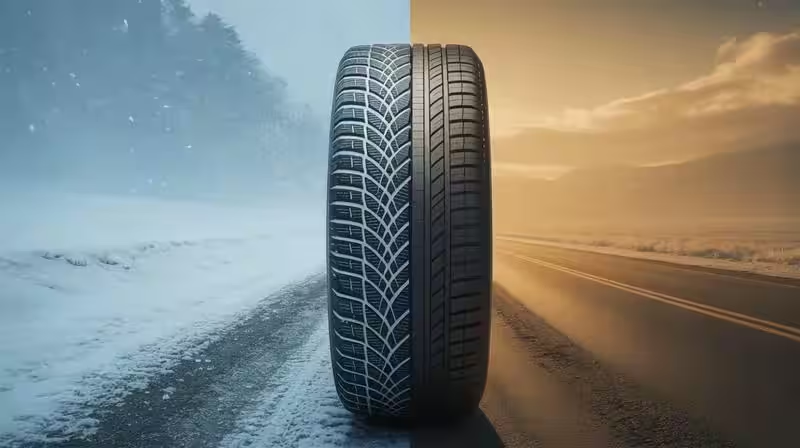
We covered the all-season vs. winter tire debate in detail in a separate post, but the key points bear repeating: below 7°C, all-season rubber hardens and loses grip. Whether you switch to winter tires or all-weather tires, make sure they have adequate tread depth — at least 5 mm for winter driving.
Check your tire pressure more frequently in winter. Cold temperatures cause tire pressure to drop — roughly 1 PSI for every 5°C decrease in temperature. Underinflated tires reduce traction and increase fuel consumption.
Battery: Cold Weather Is Its Worst Enemy
A fully charged battery delivers only about 65 percent of its power at freezing point. If your battery is already weak from age, cold weather may push it past the point of starting your engine.
Most automotive batteries last three to five years. If yours is approaching that age, have it tested before winter. A battery test takes five minutes and can tell you whether your battery will make it through the cold months.
Also check your battery terminals for corrosion and make sure the cables are secure.
Fluids: Check and Top Up Everything
Coolant/antifreeze: Your coolant should be a 50/50 mix of antifreeze and water. This protects your engine down to approximately minus 37°C. Have the coolant tested to make sure it is still providing adequate protection — old coolant can lose its freeze protection.
Windshield washer fluid: Switch to a winter-rated washer fluid that will not freeze. Road spray in winter is constant, and running out of washer fluid when your windshield is covered in salt film is a visibility hazard.
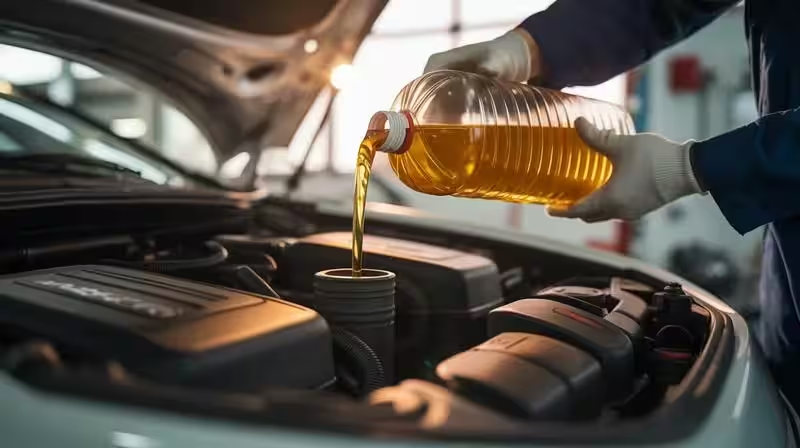
Engine oil: If you are due for an oil change, get it done before winter. Cold oil is thicker and harder for the engine to circulate. Fresh oil in the right viscosity for your climate makes cold starts easier on your engine.
Wipers and Visibility
Replace windshield wipers that leave streaks, skip, or chatter. In BC's rainy winter, clear visibility is not optional. Consider winter-specific wiper blades with a rubber boot that prevents ice buildup on the blade mechanism.
Check that all headlights, taillights, brake lights, and fog lights are functioning. Days are shorter and conditions are darker — you need to see and be seen.
Brakes: Extra Important on Wet and Icy Roads
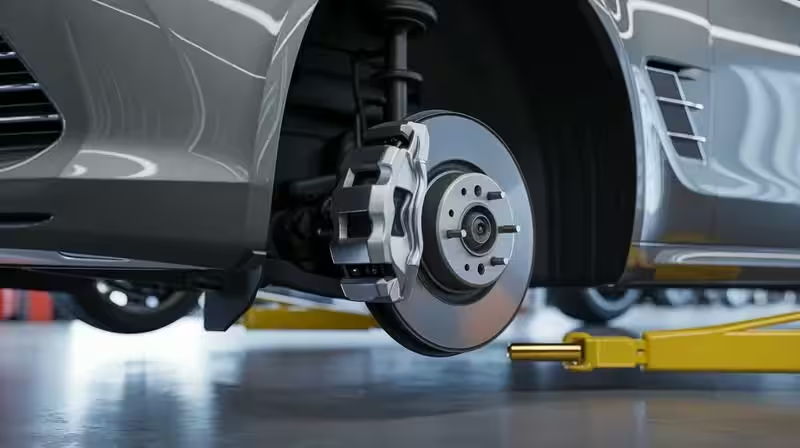
Wet roads increase stopping distances. Worn brakes increase them even further. If your brakes are making noise or your brake pedal feels different than usual, get them inspected before winter weather arrives.
Emergency Kit
Every vehicle in BC should carry a basic winter emergency kit:
- Blanket and warm clothing layers
- Flashlight with fresh batteries
- Phone charger (battery pack)
- Small shovel and bag of sand or cat litter for traction
- Jumper cables
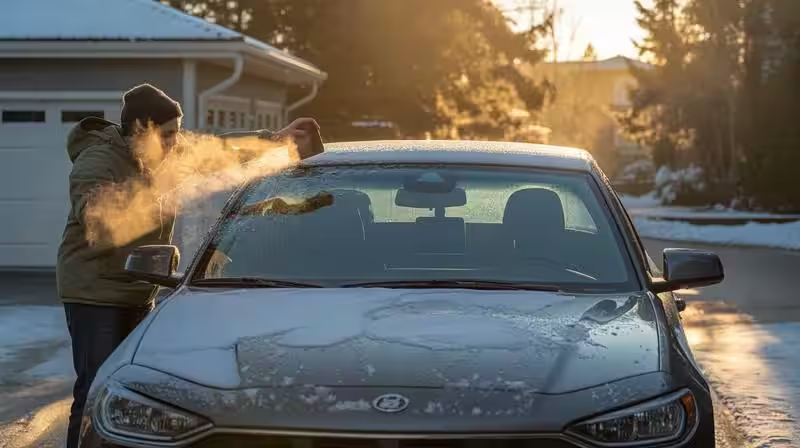
- Ice scraper and snow brush
- First aid kit
- Non-perishable snacks and water
Book a Winter Check-Up
At Tire Point Automotive, we offer comprehensive winter inspections that cover all of the above and more. We will check your vehicle from top to bottom and give you a clear picture of what needs attention before the cold sets in.
Visit us at 920 Agnes Street in New Westminster or call (604) 524-9747 to book your winter check-up.
Official sources & further reading
The B.C. and federal standards referenced in this guide: